

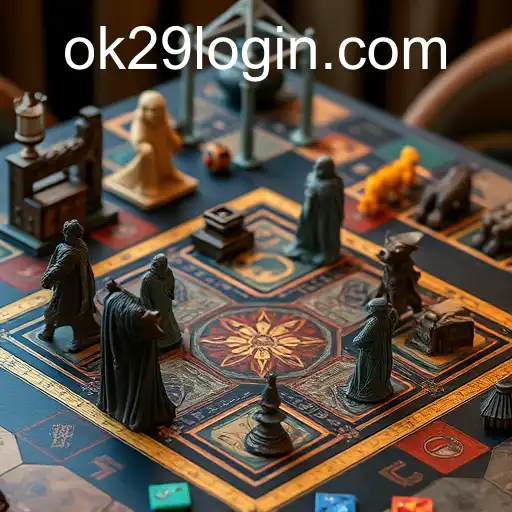

Tabletop games have carved a unique niche in the entertainment world, captivating players with their blend of strategy, chance, and social interaction. These games range from the ancient classics like chess and go to modern innovations that push creative boundaries. Celebrated for their non-digital, face-to-face interaction, tabletop games offer a distinct experience that continues to thrive amid an era dominated by screens.
The origins of tabletop games can be traced back thousands of years. Archaeological discoveries reveal that ancient civilizations such as the Egyptians and Mesopotamians engaged in board games. One of the earliest known games, Senet, predates 3100 BC and illustrates the social and spiritual elements these games have often embodied.
Fast forward to the 20th century, and the landscape of tabletop gaming began to transform with the invention of games like Monopoly and Scrabble, which became household staples. These games emphasized both chance and skill, engaging players of all ages and backgrounds. The tabletop scene further diversified in the latter half of the century, influenced by the creation of role-playing games such as Dungeons & Dragons.
Tabletop games are typically designed around specific rules and guidelines, ensuring a fair and even playing field. They usually incorporate elements such as player turns, set objectives, and point systems. While some games heavily rely on strategic planning and interaction, others prioritize luck and randomness to determine the outcome. Either way, the unique balance of these elements is often what makes these games so captivating and enduringly popular.
Components such as boards, dice, cards, and miniatures are frequently used to enhance gameplay, delivering tactile, immersive experiences. In recent years, the production value of these components has witnessed an impressive boom, with games like Gloomhaven and Azul offering beautifully crafted pieces that elevate the gaming experience to an art form.
There is a remarkable variety within the realm of tabletop games, each genre catering to different tastes and preferences. Strategy games, such as Risk and Settlers of Catan, invite players to think multiple steps ahead and employ their best tactics. These games often foster critical thinking and patience, challenging players to adapt to changing circumstances and outmaneuver opponents.
On the other hand, party games like Cards Against Humanity and Codenames focus on quick wit and humor. These games are designed to keep players on their toes, promote laughter, and create memorable social gatherings. Cooperative tabletop games have also been gaining traction, with titles like Pandemic and Forbidden Island emphasizing teamwork and collaboration under pressure.
No discussion on tabletop games is complete without mentioning role-playing games (RPGs). Originating from the classic Dungeons & Dragons (D&D), RPGs embody a rich fusion of storytelling, imagination, and mathematics. Players assume the roles of characters in a fantastical setting, guided by a game master who orchestrates the story, challenges, and events.
What sets RPGs like D&D apart is their infinite scope and replayability. Depending on player choices and dice rolls, each session can lead to dramatically different outcomes. This unpredictability, combined with collaborative storytelling, has cemented RPGs as a beloved pastime and a core pillar of tabletop gaming culture.
In an age dominated by video games and digital entertainment, tabletop games hold their own by providing something uniquely analog: human connection. They offer a counterbalance to the isolated experience of digital games, encouraging face-to-face interaction and forging bonds over shared experiences.
Interestingly, the digital revolution has also spurred a renaissance in tabletop games. Platforms like Kickstarter have empowered independent creators to bring innovative game ideas to life, expanding the diversity and creativity of available games. Furthermore, technology has enabled hybrid experiences, where digital elements enhance traditional gameplay.
The community aspect of tabletop gaming is another vibrant facet of its enduring appeal. Local game stores, conventions, and game cafes offer spaces where enthusiasts can meet, play, and bond over their shared interest in games. Events like Gen Con and Essen Spiel attract thousands of attendees from around the globe, highlighting the strong communal ties and passionate fanbase within the tabletop gaming world.
These games foster inclusivity and creativity, with communities actively encouraging new players. Players from diverse backgrounds come together, breaking barriers through the shared language of play. This sense of belonging and camaraderie is one of the most cherished aspects of tabletop gaming.

Explore the captivating realm of ArcaneBeauties, the enchanting multiplayer strategy game that's taking the world by storm. Learn about its features, gameplay dynamics, and rules, and how current events intertwine with its magical narratives.

Explore the captivating universe of HotSpin, a mesmerizing game blending classic elements with modern twists amid current gaming trends.

Discover the captivating universe of FortuneCoins, a game that blends strategy, luck, and modern-day relevance. Uncover its rules, introduction, and connection to current events.

Dive into the captivating universe of 3CoinTreasures2, a thrilling game that combines adventure and strategy. Learn about its immersive gameplay, intriguing rules, and its connection to current events.

Unveil the mysteries of WitchesNight as we delve into its intricate gameplay, captivating story, and strategic rules influenced by current events.

Explore the thrilling world of TREASURECRUISE and unravel the mysteries with the intriguing keyword OK29.
